
CB-Dock3
Cavity-detection guided Blind Docking
CB-Dock3 advances protein-ligand blind docking by integrating high-precision template-based alignment and comprehensive ab initio sampling, enabling superior precision docking for complex ligands like macrocycles and peptides. It incorporates Automated Domain Detection for targeted docking on large assemblies and explicit Metal-Ion Modeling to ensure accuracy in metal-rich environments. CB-Dock3 is free and open to all users.
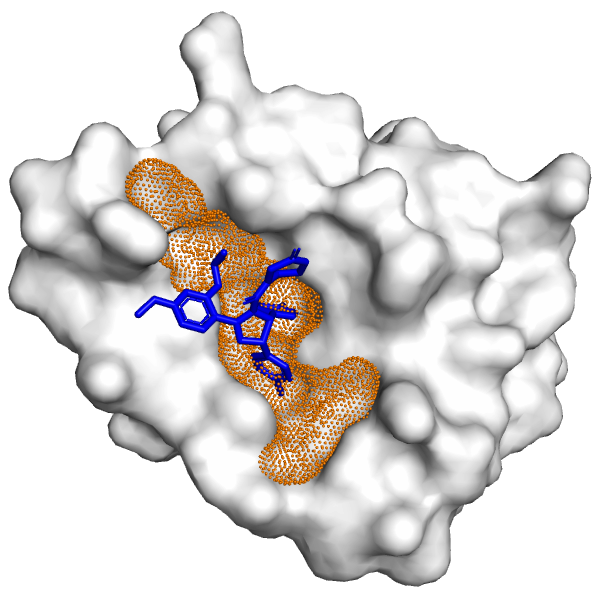
Methodology & Features
Integrating multiple algorithms for robust prediction with major upgrades in CB-Dock3
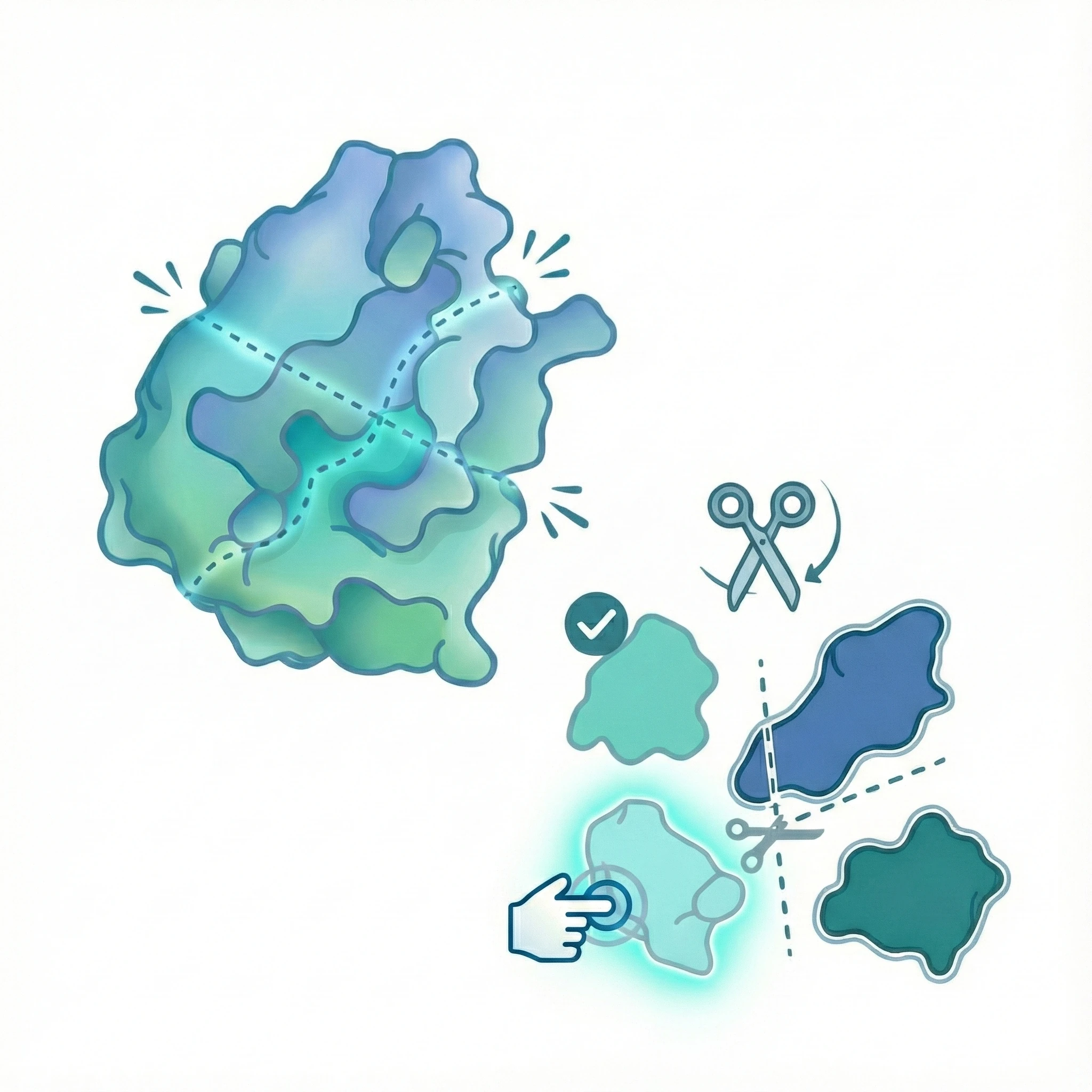
1. Flexible Input Processing
Supports PDB and CIF formats and allows user-defined structural selection.
Automated Domain Detection & Selection: To handle large multi-subunit complexes, the system intelligently segments the structure. Users can then define the docking scope by selecting specific biological domains and retaining functional metal ions. This "divide-and-conquer" strategy focuses resources on relevant subunits while ensuring precise metal-aware modeling.
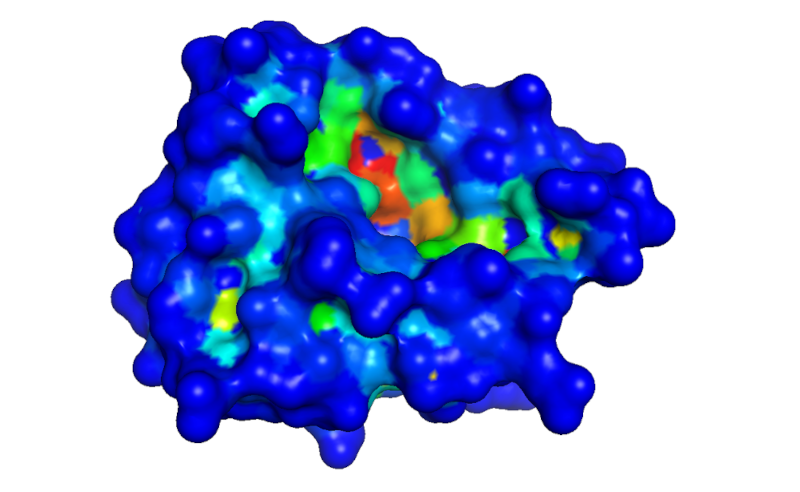
2. Cavity Detection
Detects potential binding pockets on protein surfaces based on the clustering of solvent-accessible surface curvature. It identifies concave regions to pinpoint high-probability binding sites, serving as the foundation for subsequent docking procedures.
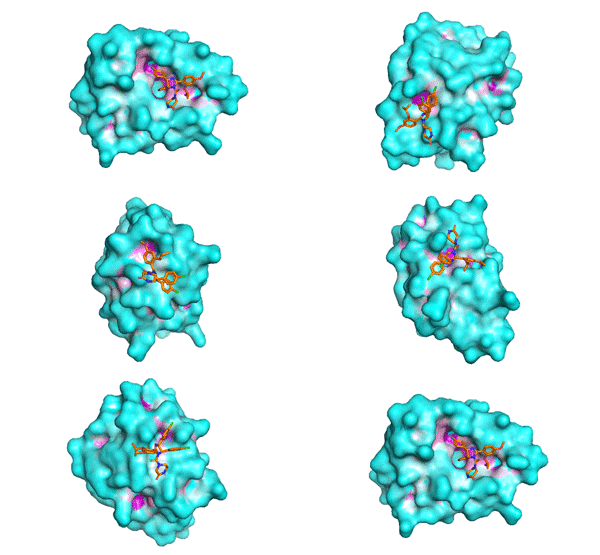
3. Structure-based Docking
Performs accurate molecular docking at detected pockets using customized box sizes and AutoDock Vina.
Metal-Aware Docking: Recognizing that ~40% of proteins contain metal ions, CB-Dock3 now explicitly calculates metal ion interactions (e.g., Zn²⁺, Mg²⁺, Fe²⁺). This ensures accurate binding pose predictions for metalloenzymes and signaling proteins, significantly outperforming traditional blind docking.
4. Template-based Docking
Leverages homologous templates to guide ligand pose prediction.
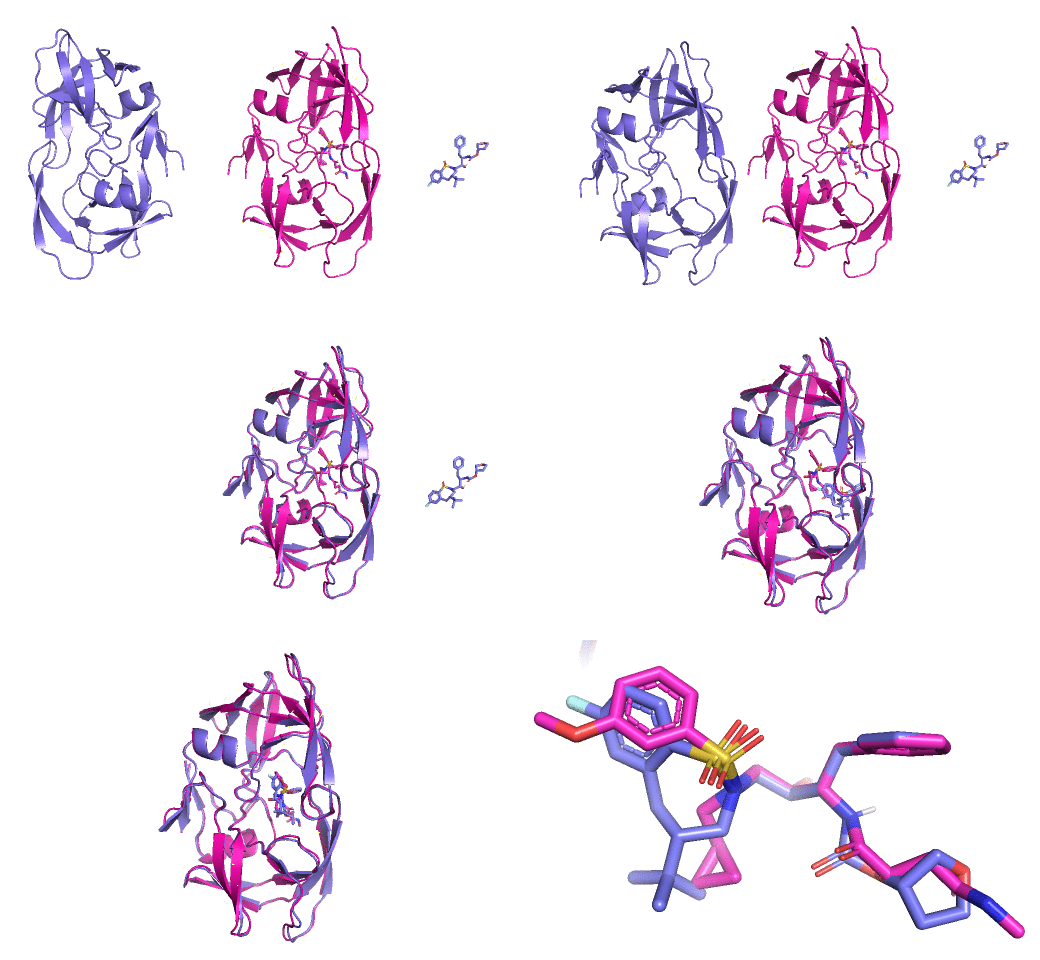
Upgraded to FitDock1.2: Now supports Stereochemical Precision (chiral centers/ring conformations) and Macrocycle & Peptide Mastery, achieving sub-angstrom RMSD for complex ligands.
Expanded Template Library (BioLiP2): Updated to the 2025 version, incorporating the most recent experimental structures to maximize the success rate of template matching.
Applications

Target Identification
Characterize binding sites on complex structures to identify biologically relevant pockets, suggesting novel therapeutic targets that were previously difficult to analyze.

Drug Discovery
Perform high-throughput virtual screening to rank databases of drugs according to the binding affinities of ligands to a given target.
Drug Design
CB-Dock3 guides structural modification with stereochemical precision, specifically for complex ligands like macrocycles and peptides.
Polypharmacology
CB-Dock3 scans the entire protein surface to identify unexpected binding pockets, facilitating the analysis of potential off-target interactions and multi-target mechanisms.
Citation
If you use CB-Dock3 in your research, please cite:
1. Yang Liu, et al. CB-Dock3: an enhanced web server for protein–ligand blind docking. Nucleic Acids Research, 2026.
2. Yang Liu, et al. CB-Dock2: improved protein-ligand blind docking by integrating cavity detection, docking and homologous template fitting. Nucleic Acids Research, 2022.
3. Xiaocong Yang, et al. FitDock: protein-ligand docking by template fitting. Briefings In Bioinformatics, 2022.